
A place for Richmond area moms to connect and reclaim their identity outside of “mother.”
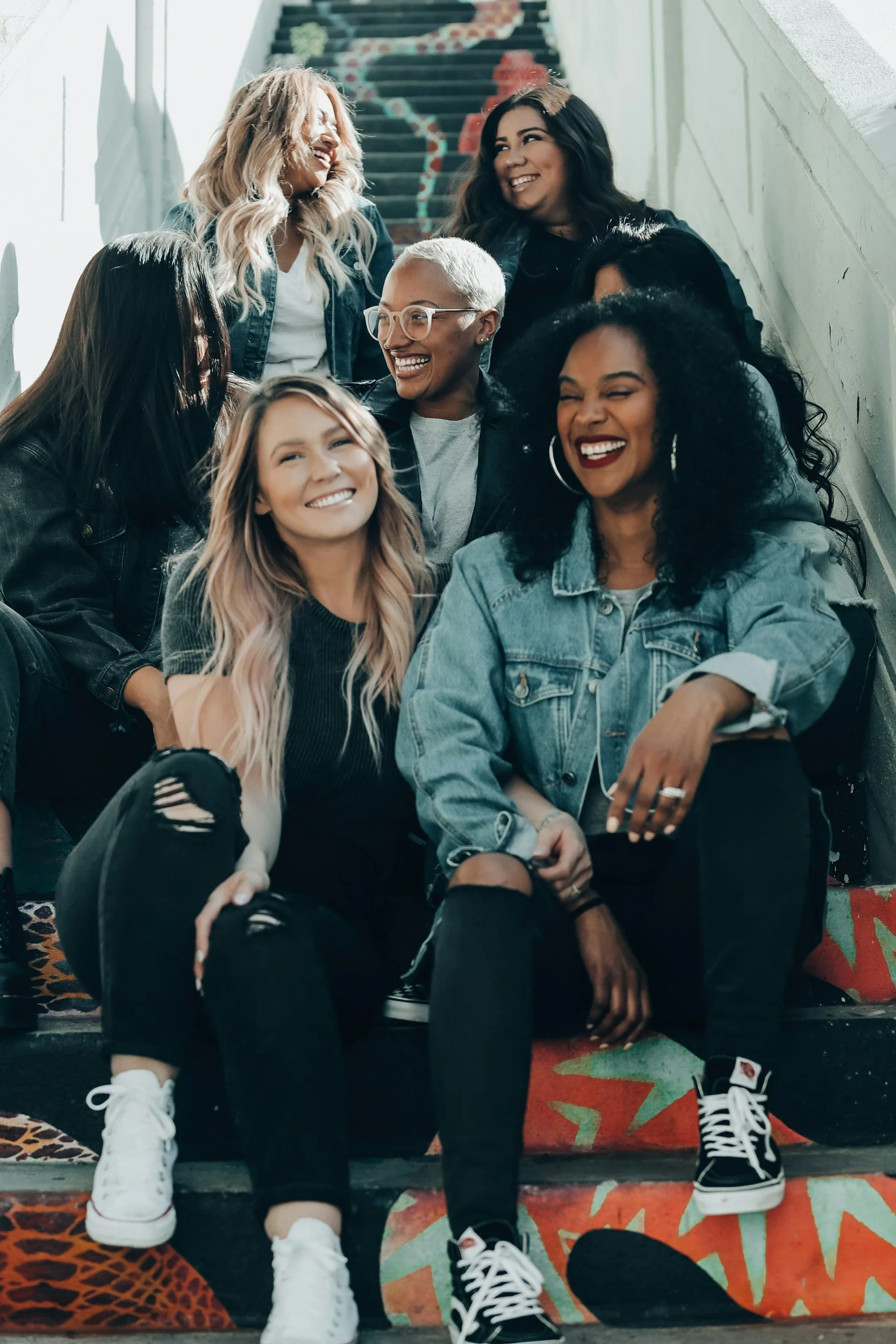
Not your typical mom’s group.
Motherhood has a way of taking over your whole identity if you're not intentional. More than Moms is a space for the woman you are outside of it.
This isn't a place to swap parenting hacks or set up playdates. It's here for the mental and physical health of women who happen to be mothers.
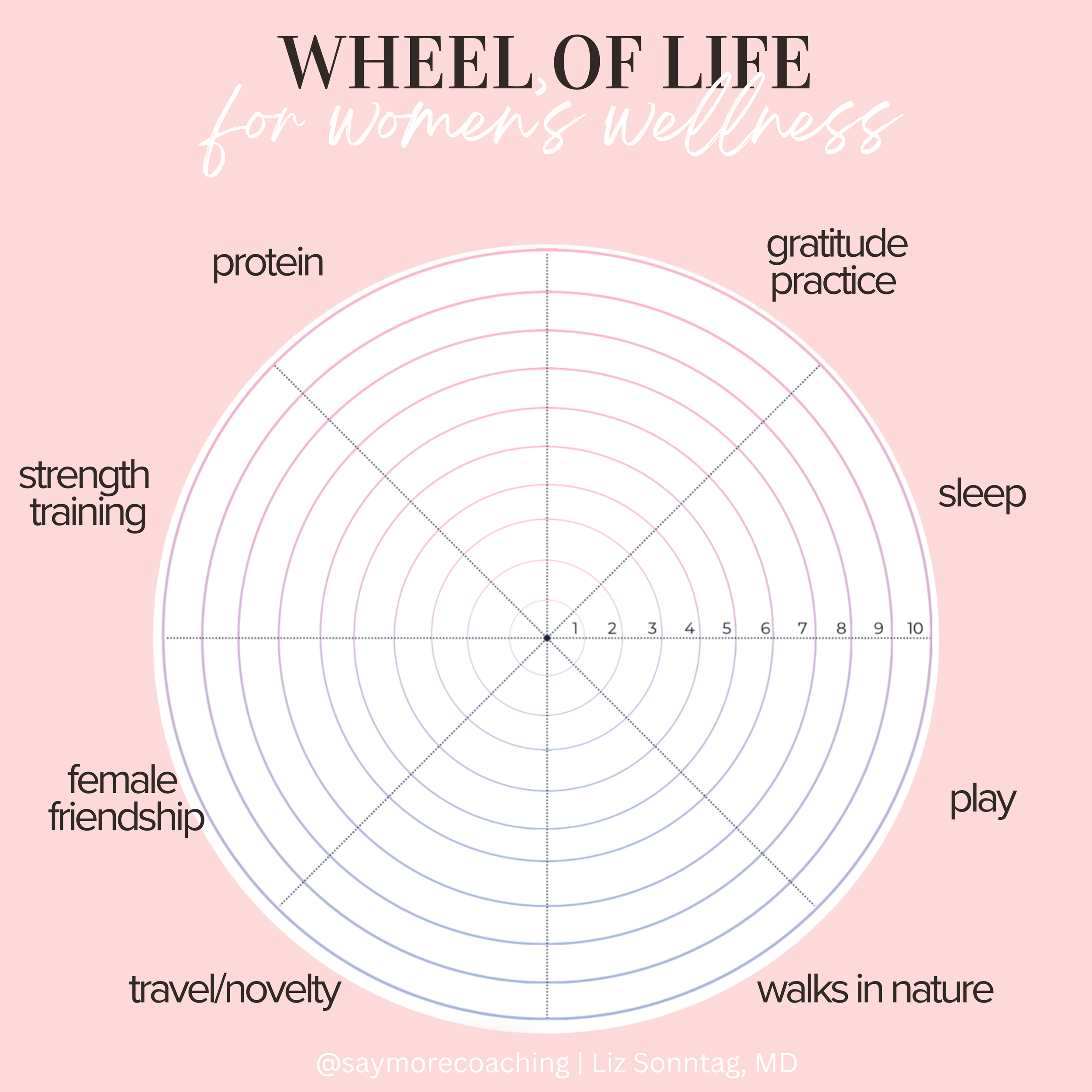
Women's Health
"Did You Know?"
Female Friendship & Longevity
Did you know women with strong social connections live up to 10% longer and are 41% more likely to reach age 85, according to a 2020 study in the Journals of Gerontology? Another landmark analysis of over 300,000 people found that strong relationships boost survival odds by 50% — a bigger effect than exercise or quitting smoking. Female friendship isn't just nice to have. It's one of the most powerful tools we have for a longer, healthier life.
Sources: Journals of Gerontology: Series B (2020); Holt-Lunstad et al., PLOS Medicine (2010)
Protein & Women's Health
Did you know women who eat more protein in midlife are more likely to age healthily, according to the Nurses' Health Study, which tracked nearly 49,000 women for decades? Protein — especially from plant sources — is linked to stronger muscle mass, better mobility, and greater independence later in life. What you eat today is quietly shaping the woman you'll be at 70.
Most researchers now recommend more than the bare minimum, especially for women: at least 1.2g/kg/day for general health, and 1.6–2.2g/kg/day if you're active or strength training. Pregnant or breastfeeding women should aim for at least 1.7g/kg/day.
In practical terms, for a 150 lb (68 kg) woman that's roughly 82g/day at the RDA minimum, but closer to 110–150g/day at the higher, more protective range — which lines up with the muscle-mass and healthy-aging research from the Nurses' Health Study cited above.
Sources: American Journal of Clinical Nutrition, Nurses' Health Study cohort; Protein Requirements during Aging, NIH; How Much Protein Women Really Need, mindbodygreen; How Much Protein Should We Really Be Eating?, Stanford Medicine
Walking in Nature
Did you know a walk in nature can lower cortisol levels by over 50%, compared to about 37% for a walk through the city, according to research measuring stress hormones in walkers? Time outside doesn't just clear your head — it measurably calms your nervous system. Ten minutes on a trail may do more for your stress than you think.
Walking is also the most protective form of exercise for cardiovascular health — more so than running or strength training — which matters since heart disease is the leading cause of death for women. It's the lowest-impact option and the easiest to sustain long-term.
Sources: "Is Greener Better?" nature walk cortisol/HRV study, International Journal of Environmental Research and Public Health; Walking, Running, and a Comparison, Princeton Longevity Center
Sleep
Did you know women who sleep 7–8 hours a night, fall asleep easily, and wake up rested gain 2.4 more years of life expectancy than women with poor sleep habits, according to a study of over 172,000 women published in the Journal of the American College of Cardiology? Sleep isn't a luxury — it's one of the most measurable levers women have for a longer life.
Source: Journal of the American College of Cardiology
Gratitude Practice
Did you know just 15 minutes of gratitude practice, five days a week, can meaningfully boost mental wellness in as little as six weeks, according to research reviewed by UCLA Health? Gratitude has also been shown to lower cortisol, improve sleep, and strengthen immune function. A few minutes of noticing what's good can change your whole nervous system.
Source: UCLA Health
Strength Training
Did you know women who strength train two to three days a week have a 30% lower risk of dying from heart disease than women who don't, according to research in the Journal of the American Heart Association? Muscle strength has also been linked to lower mortality in women even independent of aerobic exercise. Lifting isn't about how you look — it's about how long you live.
Strength training has the edge for what walking and running can't do well: it builds and preserves muscle mass, which women naturally lose with age, and it's particularly protective for bone density after menopause when estrogen decline accelerates bone loss. It also shows the strongest mortality numbers in recent research — regular strength training is linked to roughly a 26–28% lower risk of death from any cause in women, a larger effect than seen in men.
Sources: Journal of the American Heart Association; Scientists found the strength training sweet spot for a longer life, ScienceDaily; Cardio vs. Strength Training for Women's Heart Health, My Cardiologist; Effect of different types of exercise on bone mineral density in postmenopausal women, Scientific Reports
Travel & Novelty
Did you know travel doesn't need to be expensive or exotic to benefit your brain — a weekend hike, a museum visit, or exploring a new neighborhood can trigger the same novelty-driven benefits, according to a review published in Tourism Review? New experiences challenge your brain to adapt, form memories, and stay flexible, which researchers link to a lower risk of cognitive decline. Novelty isn't a vacation luxury — it's brain maintenance.
Source: Tourism Review (Edith Cowan University research review)
Play & Joy
Did you know play researcher Stuart Brown defines play simply as "time spent without purpose" — and that Brené Brown has called this kind of purposeless play essential to human development, not a distraction from it? Brown's own research found that play is essential for whole-hearted living. Play isn't frivolous — it's how women stay connected to who they are outside of every role they carry.
Sources: Stuart Brown, National Institute for Play; Brené Brown, Daring Greatly